4 Yoga Exercises for Back Pain Relief: Step-by-Step Guide

Back pain is a common issue that can significantly impact our daily lives. Incorporating yoga into your routine can be a powerful way to alleviate discomfort and improve overall back health. In this blog post, we will introduce four effective yoga exercises specifically designed for back pain relief. Follow along with our step-by-step instructions to experience the benefits for yourself.

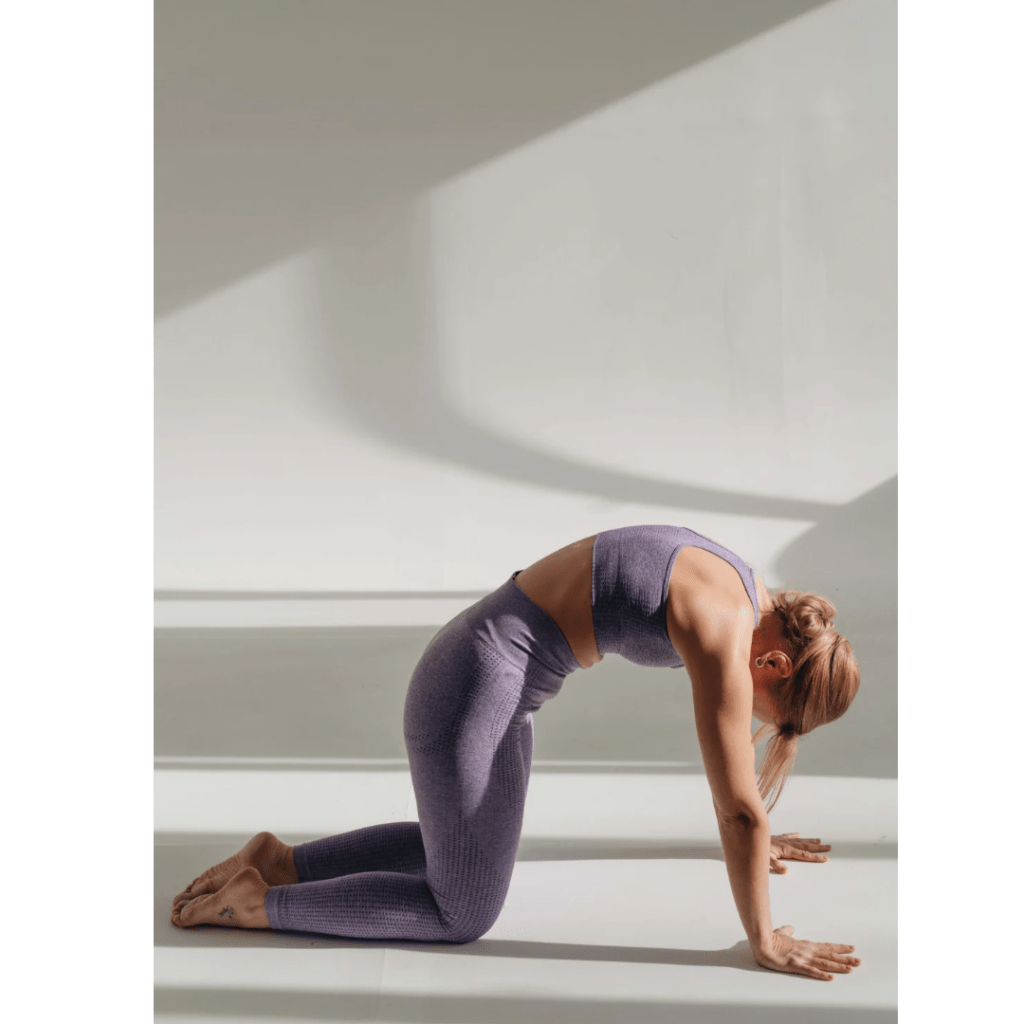
1. Cat-Cow Pose (Marjaryasana-Bitilasana):

• Purpose: This gentle flow helps to stretch and mobilize the spine, relieving tension in the lower back.

• How to Perform:

• Start on your hands and knees in a tabletop position.

• Inhale, arch your back, lift your head and tailbone (Cow Pose).

• Exhale, round your back, tuck your chin, and tuck your tailbone (Cat Pose).

• Continue this fluid motion for 1-2 minutes, syncing breath with movement.
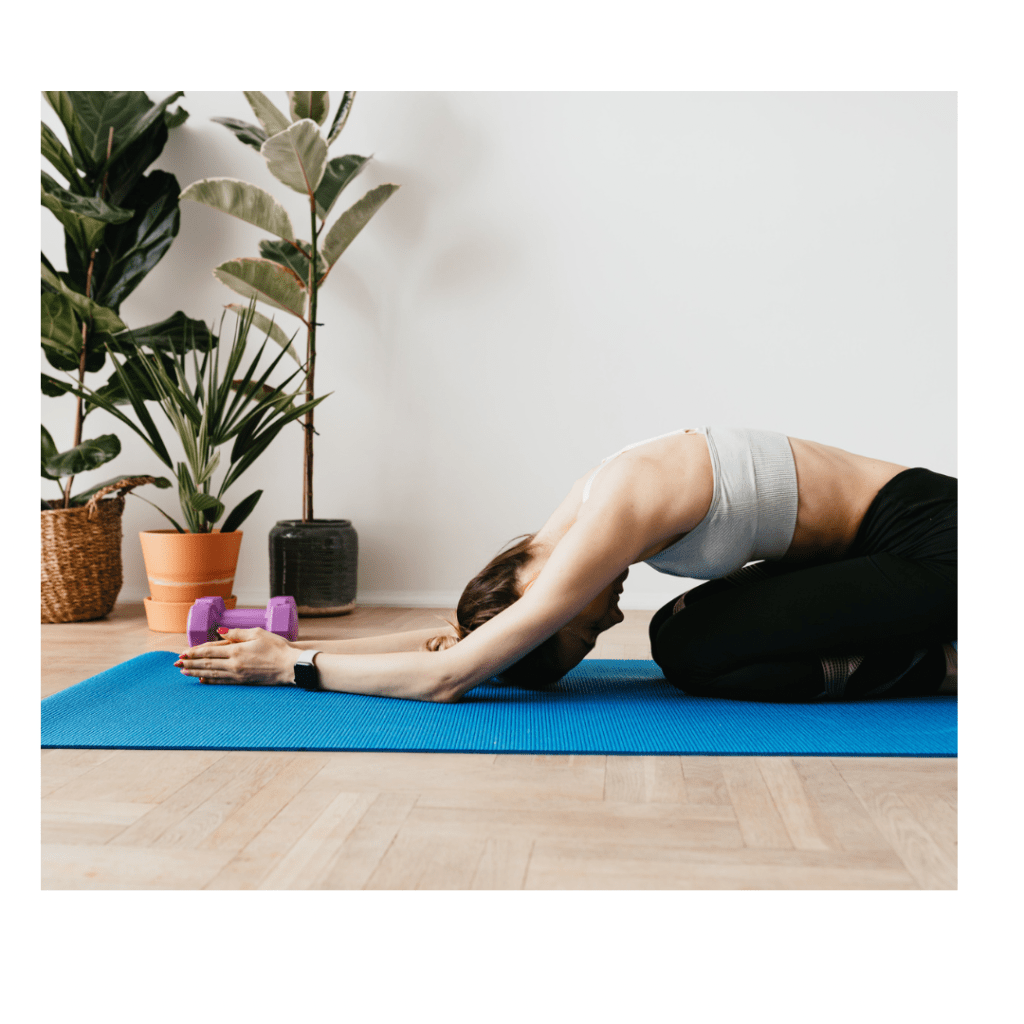
2. Child’s Pose (Balasana):

• Purpose: This restorative pose allows the lower back to release tension and promotes relaxation.

• How to Perform:

• Begin on your hands and knees in tabletop position.

• Slowly sit back onto your heels, stretching your arms forward.

• Rest your forehead on the ground and let your chest sink towards your thighs.

• Stay in this position for 2-3 minutes, breathing deeply.
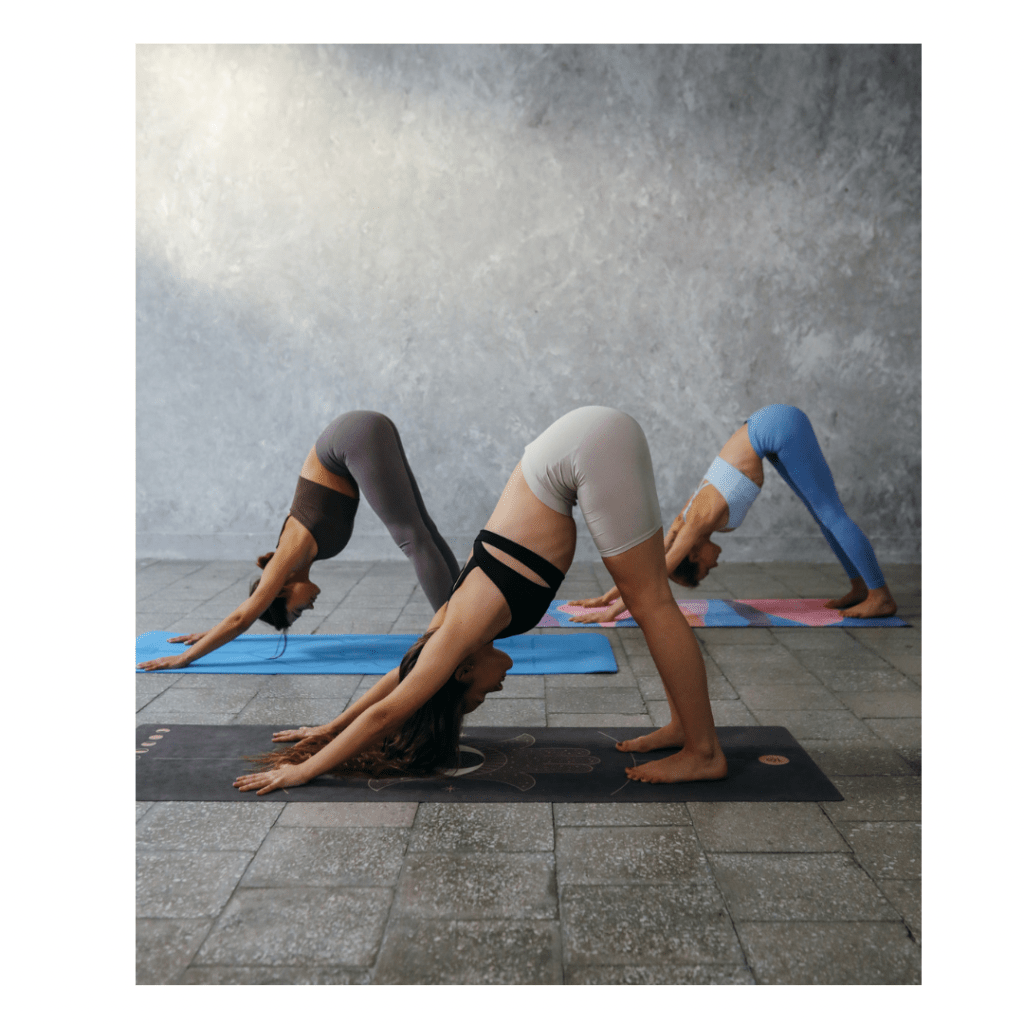
3. Downward-Facing Dog (Adho Mukha Svanasana):

• Purpose: This pose stretches the entire back, hamstrings, and shoulders, providing relief for both upper and lower back pain.

• How to Perform:

• Start on your hands and knees.

• Lift your hips towards the ceiling, straightening your legs and arms.

• Press your heels down towards the ground while keeping your back straight.

• Hold this position for 1-2 minutes, focusing on your breath.
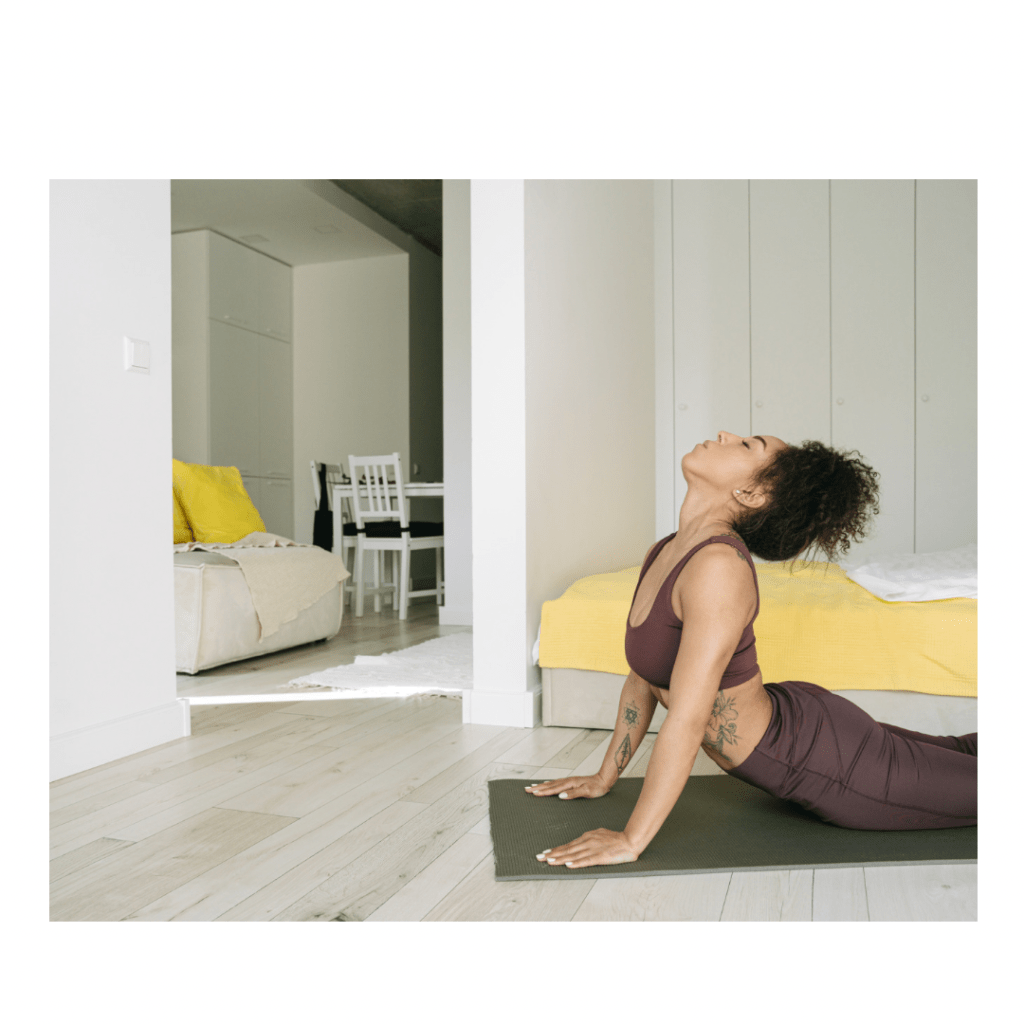
4. Cobra pose (Bhujangasana):

• Purpose: Enhances spinal flexibility,strengthens the core and opens chest promoting deep breathing.

• How to Perform:

• Lie on your stomach, legs extended.

• Place hands under shoulders, palms down.

• Inhale, lift chest using back muscles.

• Gaze forward or slightly up.

• Hold for 15-30 seconds, then exhale to release.
By embracing these four yoga exercises, you’re embarking on a transformative journey towards relieving back pain. Always tune in to your body and make regular practice a habit for the best results. If you’re dealing with severe or chronic back discomfort, it’s wise to seek guidance from a healthcare professional or certified yoga instructor before starting any new exercise routine.

Remember, this dedicated time for these poses is a gift to your back, paving the way for a life free from pain and filled with well-being. Here’s to a journey of happy, healthy practicing!

Blue Spirulina Bliss: A Nutrient-Packed Smoothie Bowl Delight

Step into a world of vibrant nutrition with our Blue Spirulina Smoothie Bowl! Packed with antioxidants, vitamins, and minerals, this bowl not only tantalizes your taste buds but also nourishes your body from within. Let’s dive into the recipe for this azure delight.

Recipe:

Ingredients: 🫐🍌

• 1 frozen banana

• 1/2 cup frozen mixed berries (blueberries, raspberries, and strawberries)

• 1 tablespoon blue spirulina powder

• 1/2 cup Greek yogurt

• 1/4 cup almond milk (or any milk of your choice)

• Toppings: Fresh berries, granola, and a drizzle of honey

Instructions:

1. Blend It Up:

Start by adding the frozen banana, mixed berries, blue spirulina powder, Greek yogurt, and almond milk into a blender. Blend until you achieve a smooth and creamy consistency.

2. Pour and Admire:💕

Pour the luscious blue mixture into a bowl, and take a moment to appreciate the mesmerizing hue that natural blue spirulina provides.

3. Add Your Signature Touch:

Top the bowl with a handful of fresh berries for a burst of flavor and an extra dose of antioxidants. Sprinkle chia seeds for added texture, a scoop of granola for a satisfying crunch, and a drizzle of honey for a touch of sweetness.

4. Dive In:

Grab your favorite spoon and savor the refreshing, nutrient-packed goodness of your Blue Spirulina Smoothie Bowl. Feel the energy surge as your body absorbs all the essential nutrients.

Benefits of Spirulina:💙

Blue spirulina, derived from the blue-green algae, is a powerhouse of nutrients. It’s rich in protein, B vitamins, iron, and antioxidants. This superfood not only supports your immune system but also aids in detoxification and promotes healthy skin.

Enjoy 💙

Flexibility vs. Mobility – Understanding the Key Differences and Their Importance

In the pursuit of a healthier and more active lifestyle, two terms often come into play: flexibility and mobility. While they may seem synonymous at first glance, they serve distinct roles in our overall physical well-being. In this article, we’ll dive into the nuances of flexibility and mobility, unraveling their differences and shedding light on why each is crucial for a balanced and functional body.

Flexibility: The Dance of Muscles and Joints

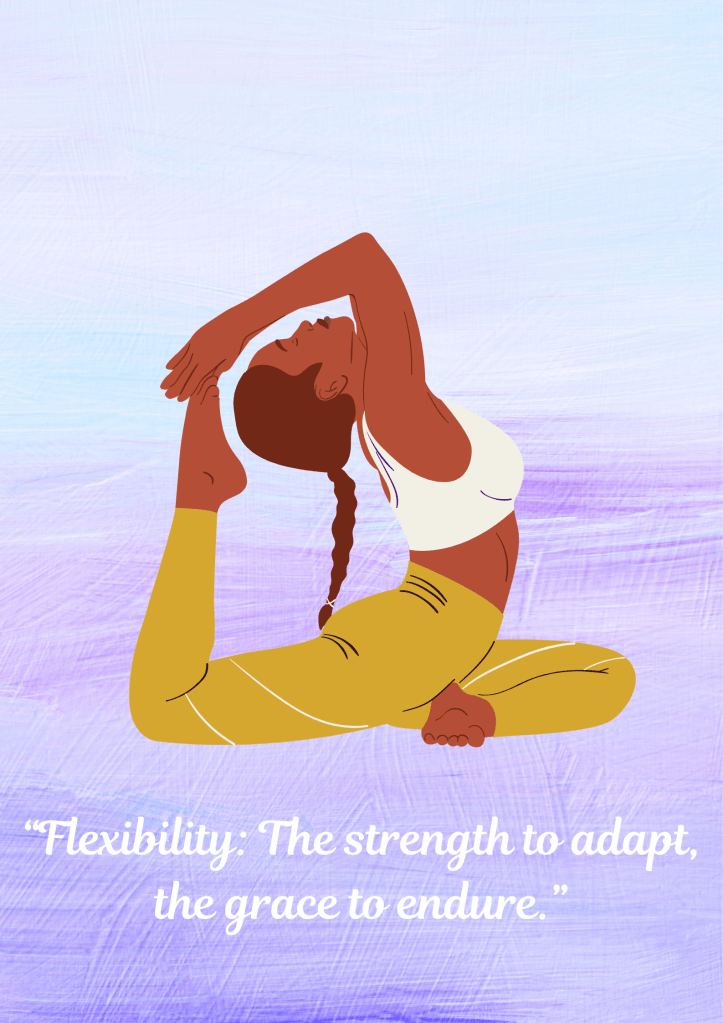
Flexibility refers to the range of motion (ROM) around a joint or series of joints. It is the capacity of muscles and connective tissues to stretch and lengthen, allowing for an extended range of motion. Achieving good flexibility enables us to perform activities that require a wide range of motions, such as yoga, dance, and gymnastics.

Importance of Flexibility

1. Injury Prevention:

Adequate flexibility in muscles and joints reduces the risk of strains, sprains, and other musculoskeletal injuries. It allows the body to move freely without placing excessive stress on specific areas.

2. Improved Posture:

Good flexibility promotes better posture by allowing the body to maintain a natural alignment. This, in turn, reduces the likelihood of developing chronic back, neck, or shoulder pain.

3. Enhanced Performance:

Athletes and fitness enthusiasts benefit significantly from improved flexibility. It enhances their ability to perform complex movements and techniques, ultimately leading to better sports performance.

4. Increased Blood Flow:

Stretching and maintaining flexibility can help improve blood circulation. This ensures that muscles receive an adequate supply of oxygen and nutrients, which aids in recovery and overall muscle health.

Mobility: The Seamless Coordination of Muscles and Joints

Mobility, on the other hand, encompasses a broader concept. It refers to the body’s ability to move freely and efficiently through a full range of motion in various activities and positions. It involves not only the muscles and joints but also the neuromuscular system’s coordination and stability.

Importance of Mobility

1. Functional Independence:

Mobility is vital for performing everyday tasks like walking, climbing stairs, and reaching for objects. Maintaining good mobility ensures that individuals can lead an independent and active lifestyle.

2. Injury Resilience:

While flexibility focuses on the range of motion, mobility emphasizes the ability to control and stabilize these movements. This reduces the likelihood of injuries by enhancing joint stability and coordination.

3. Ageless Vitality:

As we age, maintaining mobility becomes increasingly important. It helps prevent age-related limitations and allows for continued participation in activities that bring joy and purpose.

4. Athletic Performance Optimization:

Athletes rely on mobility to execute precise and powerful movements. It enables them to generate force effectively and efficiently, leading to improved sports performance.

Balancing Flexibility and Mobility

Achieving an optimal balance between flexibility and mobility is key to a well-rounded physical fitness routine. This involves incorporating stretching exercises to improve flexibility alongside strength and stability training to enhance mobility.

Conclusion

Flexibility and mobility are two sides of the same coin, each contributing significantly to our overall physical well-being. While flexibility ensures a wide range of motion, mobility guarantees that these movements are controlled, coordinated, and stable. By prioritizing both in our fitness routines, we can unlock our body’s full potential, leading to a healthier, more active, and injury-resistant life.

The Yoga Revolution for Mind, Body, and Soul!

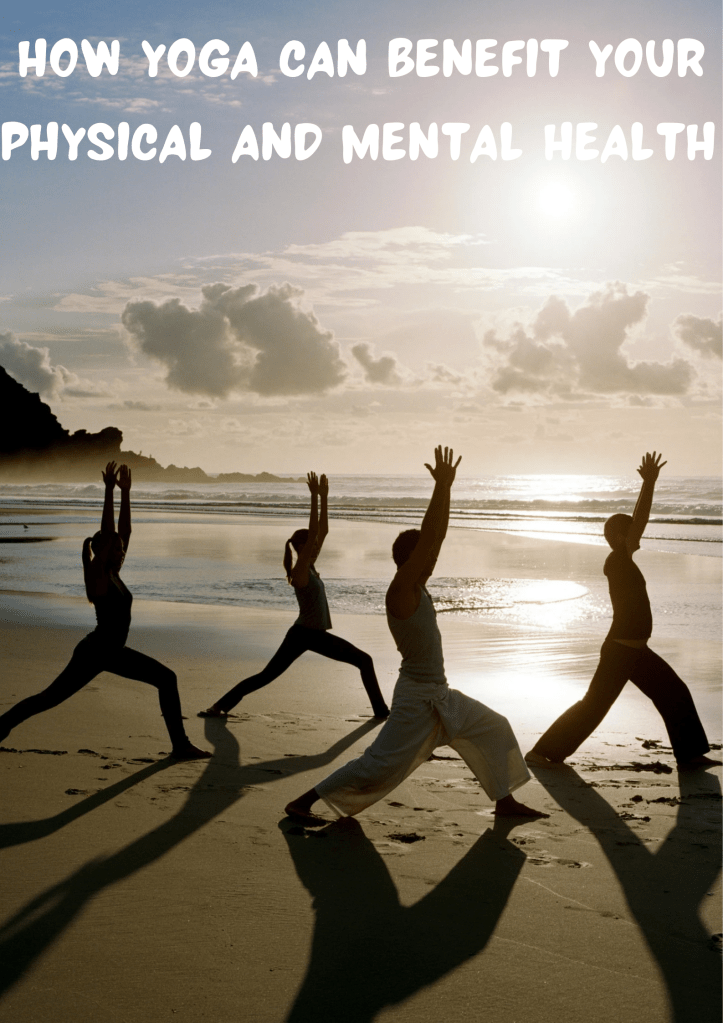
Picture this: a world where stress melts away like morning mist, where your body moves with the grace of a dancer, and your mind is as calm as a tranquil lake. Welcome to the transformative realm of yoga! In this exhilarating blog post, we’re about to embark on a thrilling adventure through the myriad ways yoga can revolutionize your life. Buckle up, because we’re diving deep into the boundless benefits that await you on and off the yoga mat!

The Physical Harmony

1. Flexibility and Strength: Yoga postures, or “asanas,” gently coax the body into increased flexibility, helping to alleviate stiffness and improve range of motion. Simultaneously, these asanas build strength in a holistic manner, enhancing muscle tone and stability.

2. Improved Posture: With an emphasis on alignment and awareness, yoga promotes better posture. This, in turn, helps prevent chronic back, neck, and shoulder pain that often result from poor alignment in daily activities.

3. Cardiovascular Health: Certain styles of yoga, such as Vinyasa and Power Yoga, incorporate dynamic sequences that get the heart pumping, improving cardiovascular health and circulation.

4. Balanced Metabolism: Regular practice of yoga stimulates various glands within the body, aiding in the regulation of metabolism. This can be particularly beneficial for those seeking to manage weight or achieve better digestive health.

5. Enhanced Respiratory Function: Through controlled breathing techniques (known as “pranayama”), yoga optimizes lung capacity and encourages a more efficient exchange of oxygen and carbon dioxide.

Mental Resilience and Wellness

1. Stress Reduction: The cornerstone of yoga lies in its ability to calm the mind. Deep, mindful breathing and meditation techniques activate the parasympathetic nervous system, reducing stress levels and promoting a sense of tranquility.

2. Enhanced Mental Clarity and Focus: The practice of yoga encourages mindfulness, which translates into improved concentration, mental clarity, and heightened awareness of the present moment.

3. Emotional Balance: Yoga provides a safe space to acknowledge and process emotions. Regular practice can lead to greater emotional stability, helping individuals navigate life’s challenges with equanimity.

4. Improved Sleep Patterns: The combination of physical activity, relaxation techniques, and mindful breathing in yoga contributes to better sleep quality and can be a powerful remedy for insomnia.

5. Increased Self-Awareness and Mind-Body Connection: Yoga cultivates a deeper understanding of oneself, fostering a stronger connection between mind, body, and spirit. This self-awareness leads to a greater sense of purpose and fulfillment.

The Holistic Approach:

Beyond the tangible benefits, yoga is a holistic practice that nurtures the whole person. It encourages self-acceptance, compassion, and a sense of interconnectedness with the world around us.

By committing to a regular yoga practice, we embark on a journey towards a more centered, resilient, and vibrant version of ourselves. So, unroll your mat, take a deep breath, and begin the enriching journey of yoga today. Your body, mind, and soul will thank you.

Unlocking Success: The Hidden Power of Strong Hip Flexors

Unlocking Success: The Hidden Power of Strong Hip Flexors

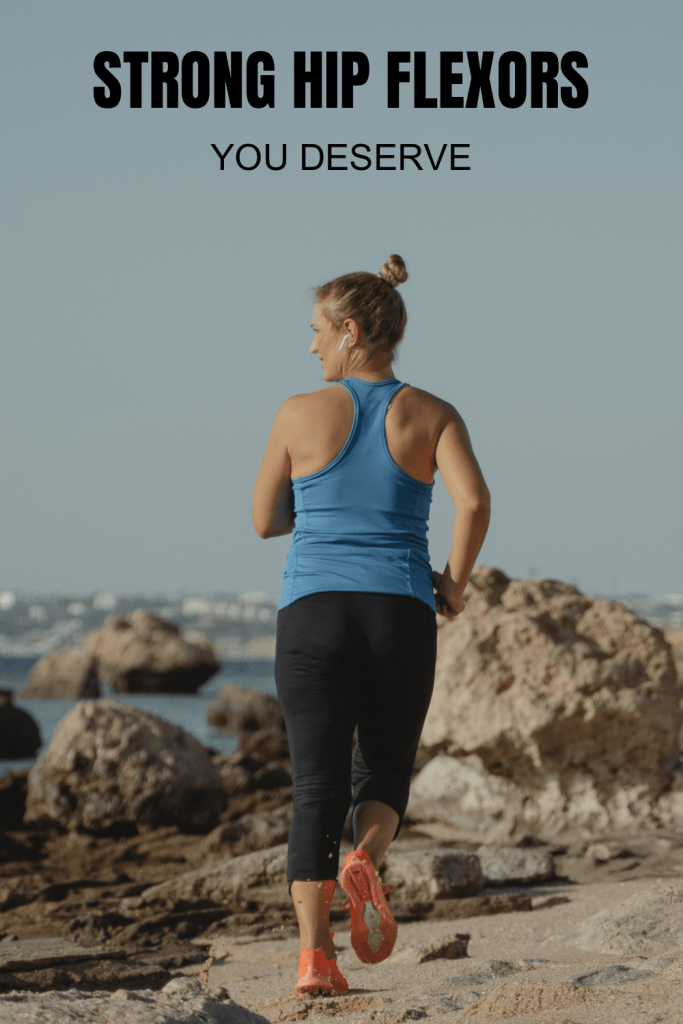
In the realm of fitness and well-being, we often focus on well-known muscle groups like bulged biceps, toned abs, and quads. However, not many talk about the importance of hip flexors. Believe it or not, but these seemingly small muscles have a surprisingly significant impact on our daily lives, from posture and mobility to athletic prowess. In this article, we’ll delve into the compelling reasons why having and training strong hip flexors should be a priority in your fitness journey.

The Foundation of Movement

Think of your hip flexors as the bridge between your upper and lower body. These muscles, primarily the psoas major and iliacus, enable a range of movements, including lifting your knees, bending at the waist, and even walking. When your hip flexors are weak or tight, these seemingly simple activities can become more challenging and uncomfortable.

The Posture Connection

Have you ever felt that nagging lower back pain after a long day of sitting? Weak hip flexors might be to blame. These muscles play a crucial role in maintaining proper pelvic alignment and supporting your spine. When they’re weak, it can lead to an anterior pelvic tilt, causing discomfort and postural issues. Strengthening your hip flexors can help counteract this imbalance and alleviate lower back pain.

Boosting Athletic Performance

Whether you’re a dedicated athlete or simply enjoy staying active, strong hip flexors can elevate your game. From explosive movements in sports like soccer and basketball to the fluidity of yoga poses, these muscles contribute to your agility and flexibility. Neglecting them could mean missing out on reaching your peak performance potential.

Unleashing Core Strength

You might be surprised to learn that strong hip flexors are closely linked to core strength. In fact, hip flexors and core strength go together like avocado and toast – a winning combination that’ll make you unstoppable. The deep connection between these muscles and your core enhances stability and balance. This synergy can make your core workouts more effective and lead to better results in your pursuit of a strong, toned abs.

Now, where to start? 

Unlocking the full potential of your hip flexors requires a holistic approach that combines targeted exercises, stretching, and mindful movement. “Unlock Your Hip Flexors”, offers a comprehensive guide that walks you through a series of proven exercises designed to strengthen and optimize your hip flexors. With easy-to-follow instructions and a structured program, you’ll be well on your way to reaping the benefits of healthy hip flexors.

Click on the link below if you have interest in learning more about “Unlock Your Hip Flexors”program:

https://cbc7akilpzgr0r3ajdq6mr7x2q.hop.clickbank.net

In Conclusion

The significance of strong hip flexors extends far beyond what meets the eye. From improved posture and reduced pain to enhanced athletic performance, these muscles hold the key to unlocking your body’s full potential. Don’t overlook the power of your hip flexors on your journey to wellness.

Disclaimer: This article contains affiliate links. If you make a purchase through these links, we may earn a commission at no additional cost to you.

Design a site like this with WordPress.com
Get started